Posted on

The Rising Star of Investments: Whisky Casks

A towering stack of empty whisky casks arranged neatly under a clear, bright blue sky on a sunny day, highlighting their rich wooden textures and craftsmanship.

Are Whisky Casks a Good Investment?

In the dynamic landscape of investment opportunities, Whisky Cask Investment has emerged as a surprisingly lucrative option, captivating both connoisseurs and investors. At House of Malt, we’ve noted an increasing trend in this distinctive asset class. But what drives the appeal of whisky cask investment as a lucrative opportunity? Let’s explore the intricacies of whisky investment and uncover why it’s becoming a popular trend.

The Essence of Whisky Investment

Investing in whisky casks diverges fundamentally from traditional assets like stocks or real estate. As whisky matures in the cask, it not only develops a richer flavour profile but also appreciates in value. This aging process is central to why whisky casks can be a wise investment choice.

Why Whisky Casks?

Appreciation in Value: With each passing year, as whisky matures, it increases in both value and quality. This appreciation is due to the enhancement in flavour and the rarity factor, however a portion of the liquid is lost to evaporation, famously known as the ‘Angel’s Share’. (around 2% a year on average).

Exclusivity and Limited Editions: Owning a whisky cask often equates to possessing a unique or limited edition product. This exclusivity can significantly drive up the value of the cask.

Portfolio Diversification: Whisky casks offer an avenue to diversify investment portfolios. Uniquely, their value isn’t directly correlated with the stock market’s performance, providing a hedge against market volatility.

Risks and Considerations

While investing in whisky casks presents exciting opportunities, it’s not risk free. Factors such as storage conditions, insurance, and the distillery’s reputation play crucial roles. Additionally, the market for selling matured whisky can be unpredictable, and there are associated costs with bottling and distribution.

Understanding Whisky Cask Investment

For those new to this investment avenue, it’s crucial to understand the variables that influence a whisky cask’s value. Factors like the distillery’s heritage, the type of cask used, and the whisky’s age and flavour profile play pivotal roles. As an alternative investment avenue, whisky casks present a compelling proposition. They offer not just the satisfaction of owning a piece of whisky heritage but also the potential for significant financial returns. With astute selection and management, a whisky cask can be a prized asset in any investment portfolio. If you are interested in whisky cask investments and want to take it further, check out suppliers such as Whisky Brokers.

Selling Your Investment

One of the simplest ways to unlock your investment’s value is by selling the entire cask, either at auction or directly to a private buyer. Alternatively, you might consider partnering with an independent bottler to craft a distinctive expression. Notably, brands like Signatory Vintage and Stillwater are celebrated for their captivating single-cask releases. Check out our range of Independent Whisky Bottlings Below:

Posted on Leave a comment

Can Whisky Go Off? Uncovering Your Drams Longevity.

Can Whisky Go Off? A cosy evening by the fire with open bottles, featuring Macallan Classic Cut Single Malt Whisky.

For lovers of whisky, whether they’re casual sippers or seasoned collectors, a question often surfaces:
“Can whisky go off?” Understanding the shelf life and how to best preserve the quality is essential for everyone who appreciates this timeless spirit.
Let’s delve into this topic and ensure your next dram is as splendid as intended.

The Shelf Life:

Whisky is known for its robust shelf life. Thanks to its high alcohol content, it’s more resistant to spoilage compared to other spirits. However, this doesn’t mean it’s entirely immune to changes over time.

Factors Influencing Whisky’s Longevity:

Sealed vs Opened Bottles: A sealed bottle can last for decades without significant changes to its flavour. Once opened, it’s best to enjoy it within a few years.
Storage Conditions: Exposure to light, temperature fluctuations, and air can impact the quality of the whisky. It’s essential to store your bottles in a cool, dark place.

So, Can Whisky Go Off?

Technically, whisky doesn’t “go off” or spoil in the way perishable food does. However, it can deteriorate in quality if not stored properly. Once opened, the interaction with air can slowly alter its flavour and aroma.

Preserving Your Whisky

Minimise Air Exposure: Keep the bottle tightly sealed when not in use. As the level of whisky drops, consider transferring it to a smaller bottle to reduce air contact.

Stable Environment: Store your bottles upright in a cool, dark environment. Unlike wine, whisky doesn’t need to be stored on its side.

Tell tale Signs of Quality Change

While whisky doesn’t spoil, you might notice changes in taste or aroma if it hasn’t been stored correctly. A flat or stale taste can indicate that the spirit has been exposed to too much air or extreme conditions.

Expert Insight

At House of Malt, we offer guidance on recognising the signs of degradation and tips for optimal storage. From selecting the right storage space to understanding the impact of different environmental factors, our expertise can help you maintain the integrity of your collection.

In summary, while whisky doesn’t exactly go off, its quality can be compromised over time due to factors like air exposure and poor storage conditions. By following proper storage techniques, you can ensure that each dram from your collection retains its intended character and flavour. At House of Malt, we believe that understanding these nuances enhances your appreciation and enjoyment of spirits.

Want to learn more about storing and preserving your collection?

Visit us at House of Malt for expert advice and a wide selection of top-quality whiskies.

Macallan Classic Cut

Speyside Single Malt Scotch Whisky

(Current 2024 Vintage 70CL / 52.4% ABV)

The Macallan Classic Cut 2024 Edition is the latest release in this coveted limited-edition series, designed to showcase bold flavour, exceptional depth, and meticulous craftsmanship. Bottled at an impressive 52.4% ABV, this whisky delivers a powerful yet refined experience, balancing sweetness with spice in true Macallan fashion.

Buy Now – Limited Stock Available

Experience the prestige, taste the excellence.

Posted on Leave a comment

How Whisky is Made: The Art Behind Your Favourite Dram

A fascinating demonstration of How Whisky is Made showcased within a restored worm tub at The Glenlivet Visitors Centre near Ballindalloch, Moray, Scotland.

One of the most captivating aspects for any whisky enthusiast is understanding “how whisky is made”. This process, steeped in tradition and skill, varies across regions and distilleries, giving rise to the diverse range of whiskies we enjoy today. Let’s explore the journey from grain to glass.

The Whisky Making Process

Malt Preparation

It all begins with malting the barley. The grains are soaked in water, allowed to germinate, and then dried in a kiln. The drying process can often involves peat, imparting a smoky flavour to the malt.

  • Soaking: Barley is steeped in water to initiate germination.
  • Germination: The barley’s starches convert to fermentable sugars.
  • Kilning: The malt is dried, sometimes with peat smoke, to halt germination and add unique flavours.

Mashing and Fermentation

The malt is ground into a coarse powder known as grist, mixed with hot water in a mash tun, and stirred. This process, called mashing, converts the starches into sugars, creating a liquid known as wort.

  • Mashing: Mixing ground malt with hot water to extract sugars.
  • Wort Creation: The liquid result that holds the extracted sugars.

The wort is cooled and transferred to fermentation vessels, usually made of wood or stainless steel, where yeast is added. The fermentation process, lasting about 48-96 hours, turns the sugars into alcohol, resulting in a beer-like liquid called wash.

  • Fermentation Duration: Lasts 48-96 hours.
  • Result: Creates a wash with a lower alcohol content.

Distillation

The wash is then distilled to increase its alcohol content and refine its flavours. In Scotland, most whiskies are traditionally distilled twice. However, there are exceptions, such as Hazelburn from the Springbank distillery, which undergoes a triple distillation process. This additional distillation gives Hazelburn a lighter, more delicate character, setting it apart from the typical Scotch profile.

  • Double Distillation: The standard process for most Scotch whiskies.
  • Triple Distillation: Used by select distilleries for a lighter profile.

Maturation

The distilled spirit, now called new make spirit, is aged in oak casks. The interaction between the spirit and the wood over time develops the complex flavours and aromas of the whisky.

  • Scotch Whisky: Must be matured for a minimum of three years.
  • Extended Aging: Many whiskies are aged longer to achieve deeper character.

Regional Variations

Whiskies from different regions have distinctive characteristics based on production techniques, ingredients, and maturation processes.

Scotch Whisky

Known for its stringent production regulations, including the requirement for aging in oak casks for at least three years. Scotland’s whisky-producing regions impart distinct characteristics:

  • Islay: Renowned for its peaty and smoky whiskies with notes of sea salt and medicinal flavours. Examples include Laphroaig and Ardbeg.
  • Speyside: Known for smooth, elegant whiskies with fruity, floral notes and hints of honey and vanilla. Examples include The Macallan and Glenfiddich.
  • Highlands: A diverse region producing a range of styles, from light and floral to rich and robust. Examples include Glenmorangie and Dalmore.
  • Lowlands: Characterized by lighter, more delicate whiskies with grassy, floral, and citrus notes. Examples include Auchentoshan and Glenkinchie.
  • Campbeltown: Produces whiskies with a distinctive maritime influence, known for their salty, briny character. Examples include Springbank and Glen Scotia.
  • Islands: While not an official region, whiskies from the Islands (e.g., Jura, Orkney) often exhibit a mix of coastal and peaty notes. Examples include Highland Park and Talisker.
  • American Whiskey: Includes Bourbon and Tennessee whiskey, with unique characteristics like the use of new charred oak barrels for aging.
    • Example: Sweeter, with vanilla and caramel notes.

Understanding “how whisky is made” reveals the craftsmanship and heritage behind each bottle. Whether it’s the traditional double distillation of Scotch or the unique triple distillation of Hazelburn, each method contributes to the distinct identity of the whisky.

At House of Malt, we celebrate the diversity and artistry of whisky production, inviting you to explore and appreciate the myriad of flavours each style brings.

Interested in exploring the rich variety of whiskies and their unique making processes?
Visit House of Malt to discover our curated selection!

Posted on Leave a comment

Ardnahoe Distillery: Islay’s New Force in Scotch Whisky


Ardnahoe Distillery – Port Askaig, Islay PA46 7RN

Ardnahoe Distillery is rapidly establishing itself as one of Islay’s most exciting new whisky producers. Blending traditional Islay craftsmanship with modern production excellence. Ardnahoe is already earning global recognition, and rightly so.

Ardnahoe’s Award-Winning Debut

The distillery has achieved an impressive feat in its early years, picking up multiple accolades at two of the world’s most prestigious spirits competitions.

  • Ardnahoe Inaugural Release: This carefully crafted 5 year old single malt has captured attention with its bold yet refined character. Matured in a combination of ex-Bourbon and Oloroso sherry casks and bottled at 50% ABV, it delivers a rich palate of buttery shortbread, baked apple, and gentle peat smoke. A long, warming finish rounds out the experience. This expression was awarded GOLD at both the 2025 San Francisco World Spirits Competition and the International Spirits Challenge 2025.
  • Ardnahoe Infinite Loch: A refined and balanced core expression, Infinite Loch is non-chill filtered and naturally coloured, offering vibrant aromas of sea breeze, zesty citrus, and subtle smoke. On the palate, expect a delicate interplay of coastal salinity, orchard fruits, and bonfire embers. Infinite Loch was awarded SILVER at both major competitions, reinforcing Ardnahoe’s position as a distillery to watch.

Strategic Positioning with Authenticity at its Core

Ardnahoe is more than just award-winning whisky. Its strategic focus on heritage, transparency, and craftsmanship is helping to redefine consumer expectations in the single malt category.

By adhering to time honoured Islay traditions such as slow distillation, worm tub condensers, and a strong focus on cask quality, while delivering on modern day demands for natural presentation and bold flavour, bridging the gap between tradition and innovation.

The distillery’s location, perched above the stunning Loch Ardnahoe, offers not only visual splendour but a unique microclimate and natural resources that influence the whisky’s distinctive maritime character.

Looking Ahead: Innovation Meets Heritage

With early releases already turning heads and filling glasses around the world, the future of Ardnahoe looks bright. Plans for limited editions, exclusive cask releases, and enhanced visitor experiences are in development, all supported by a growing base of passionate fans and collectors.

The launch of initiatives like the Ardnahoe Society is helping to create a dedicated global community, strengthening customer loyalty while offering insiders unique access to future bottlings and experiences.

As Ardnahoe continues to rise, it is fast becoming a key player in the global whisky landscape. Combining Islay soul with contemporary ambition, this young distillery has firmly planted its flag, both on the island and in the world of fine spirits. – Planning on visiting? Click to book a tour or tasting!

Ardnahoe is only just getting started.


Posted on Leave a comment

How whisky is aged: the alchemy of time

An image showcasing one of Chivas Brothers’ warehouses at The Strathisla Distillery, the historic home of Chivas, highlighting the traditional storage and aging process of whisky. A great way to see how whisky is aged.

In the world of whisky, the art of ageing is as crucial as the distillation process itself. When exploring “how whisky is aged”, we enter a world of intricate methods and diverse cask types, each contributing uniquely to the whisky’s final character. An essential rule for Scotch whisky is that it must spend its entire life from distillation to bottling in the cask to earn its prestigious title.

The Process of How Whisky Is Aged

Ageing whisky is a complex process, one that involves careful consideration of time, environment, and the type of cask used. It’s during this period that whisky develops its distinct flavours, aromas, and colours.

  • Time: Whisky must mature for a minimum period (e.g., Scotch for 3 years) to develop its characteristics.
  • Environment: The climate, location, and warehouse conditions influence ageing.
  • Cask Type: The type of cask used plays a significant role in flavour development.

Variety in Cask Types

Different cask types impart unique flavours and aromas to the whisky:

Traditional Oak Casks

Most commonly, whisky is aged in oak casks. These casks can be:

  • American Oak: Imparts vanilla, caramel, and coconut notes.
  • European Oak: Tends to give spicier and darker fruit flavours.

Ex-Bourbon and Sherry Casks

Many whiskies are aged in casks that previously held other spirits or wines:

  • Ex-Bourbon Casks: Add sweet, vanilla, and coconut notes.
  • Sherry Casks: Contribute rich fruitiness and nutty flavours.

Innovative Cask Finishing

Some distilleries experiment with finishing their whiskies in casks that held:

  • Port: Adds berry and dark fruit notes.
  • Rum: Brings tropical sweetness.
  • Wine: Contributes a range of flavours from red berries to tannins.
  • Stout: Imparts coffee and chocolate richness.

Scotch Whisky’s Golden Rule

For a whisky to be classified as Scotch, it must be matured in Scotland, in oak casks for a minimum of three years (and a day).

  • Continuous Maturation: This maturation must be continuous and in the same cask.
  • Extended Ageing: Many Scotch whiskies are aged much longer, with each additional year adding complexity and depth.

The Impact of the Environment

The ageing process is influenced by the environment in which the whisky matures.

  • Climate and Location: Cooler climates, like Scotland’s, allow for slow, gradual maturation. Warmer climates can accelerate the process.
  • Warehouse Conditions: The type of warehouse, its location, and even the position of the cask within the warehouse can affect how a whisky ages.

Understanding “how whisky is aged”

Reveals the meticulous care and expertise that goes into each bottle. From the selection of the cask to the final bottling, the ageing process is a testament to the craft and tradition of whisky making. In the world of Scotch, adhering to the rule of continuous maturation within the cask not only preserves tradition but also ensures the exceptional quality and character for which Scotch whisky is renowned.

Discover More

Interested in exploring the diverse range of aged whiskies and their unique flavours? Visit House of Malt to delve into the fascinating world of whisky ageing and discover your perfect dram. [Discover Aged Whiskies.]

Posted on Leave a comment

How Does Whisky Taste: A Symphony of Flavours From Casks

An image from The Glenlivet Visitor Centre showcasing how different cask types influence whisky color, with American Oak and European Oak casks on display. The fill levels highlight the Angel’s Share—the whisky lost to evaporation each year during aging.

Whisky enthusiasts often ponder, “How does whisky taste?” The answer lies not just in the distillation process but significantly in the cask it matures in. Each cask type bestows its unique signature on the whisky. Let’s explore these varied influences and the flavours they impart.

Ex-Bourbon Casks

Whiskies from ex-bourbon casks are known for their sweet vanilla, light caramel, and subtle oak notes, often with a touch of fruitiness.

  • Tasting Notes: Sweet vanilla, light caramel, subtle oak, and hints of fruit.
  • Characteristics: Smooth, mellow whisky with a brightness that appeals to many palates.

Sherry Casks

Sherry casks are rich with dark fruit flavours like raisin and fig, and also contribute notes of chocolate, nuts, and spices.

  • Tasting Notes: Dark fruit (raisin, fig), chocolate, nuts, and spice.
  • Characteristics: Adds depth, complexity, and a certain robustness, creating a full-bodied whisky.

Port Casks

Port casks imbue the whisky with a mix of sweet and tart flavours – think berries, cherries, and a hint of nuttiness.

  • Tasting Notes: Sweet berries, cherries, and nutty notes.
  • Characteristics: Rich, slightly sweet whisky with a velvety texture.

Wine Casks

Depending on the wine, wine casks can add a diverse array of flavours, from red berries and floral notes to citrus and tropical fruits.

  • Tasting Notes: Red berries, floral notes, citrus, and tropical fruits.
  • Characteristics: Wine casks bring a unique vinosity, ranging from light and elegant to rich and tannic profiles.

Virgin Oak Casks

Virgin oak casks impart bold vanilla, strong oak, and intense spice, alongside caramel or toffee notes.

  • Tasting Notes: Bold vanilla, strong oak, intense spice, caramel, or toffee.
  • Characteristics: Vibrant whisky with pronounced wood influence and robust flavours.

Global Oak Variants

Oak casks from around the world, such as Scottish or Hungarian oak, offer a spectrum from sweet and spicy to floral and herbaceous notes.

  • Tasting Notes: Sweet, spicy, floral, and herbaceous.
  • Characteristics: The origin of the oak influences the whisky’s texture and subtleties, adding a unique regional character.

Stout Casks

Stout casks often lend notes of coffee, dark chocolate, and a malty, sometimes hoppy, finish.

  • Tasting Notes: Coffee, dark chocolate, and malty or hoppy flavours.
  • Characteristics: Imparts a rich depth and complexity, appealing to those who enjoy bold, flavourful whiskies.

So, “how does whisky taste?”

The answer is as varied as the casks it’s aged in. Each cask type shapes the whisky’s character, offering a world of flavours to explore and enjoy.

Dive Deeper

Curious to explore these flavours in more depth? Visit our cask-specific pages at House of Malt to discover the rich variety of tastes and aromas that each type of cask brings to whisky.

Further Reading & Learn More

The Scotch Whisky Association – Learn more about whisky production, ageing regulations, and the impact of cask types on flavour. Visit: Scotch Whisky Association

Posted on Leave a comment

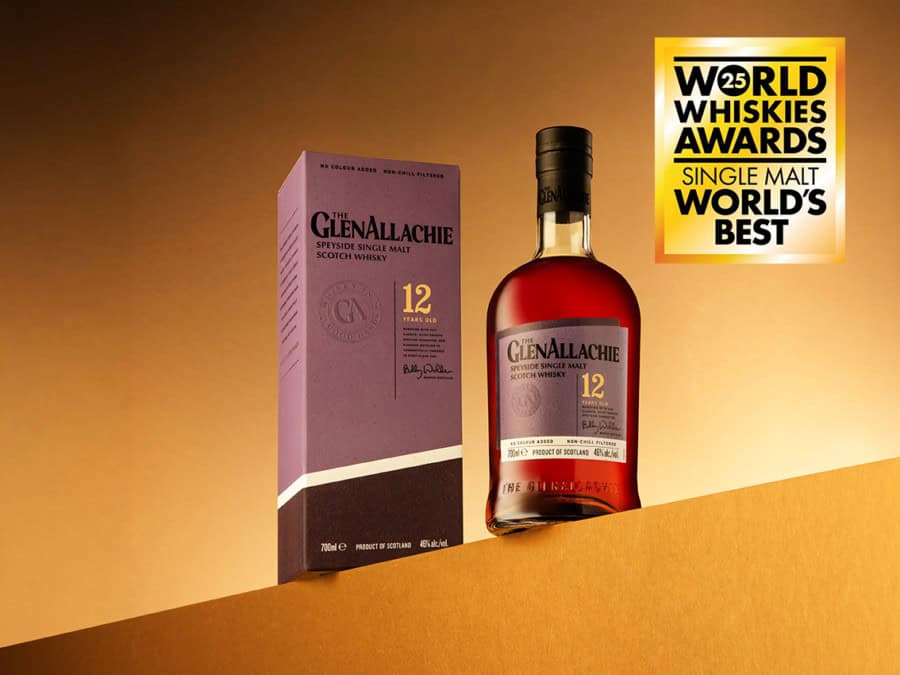
🏆 GlenAllachie 12 Wins World’s Best Single Malt 2025


The GlenAllachie 12 Year Old Crowned World’s Best Single Malt at the World Whiskies Awards

A Toast to Greatness: GlenAllachie Named World’s Best Single Malt

In what can only be described as a triumph of craftsmanship and character, The GlenAllachie Distillery has once again etched its name into the annals of whisky history. Last night, we all heard “GlenAllachie wins World’s Best Single Malt” the 12-year-old single malt from this revered Speyside distillery clinched the title of World’s Best Single Malt at the prestigious World Whiskies Awards 2025. View all the winners and information from this years awards here.

Remarkably, this isn’t a one-time wonder. The GlenAllachie had already secured the same accolade in 2021 with its 10-Year-Old Cask Strength Batch 4. Winning it twice within such a short timeframe solidifies GlenAllachie’s position among the global elite of whisky makers.


From Blends to Brilliance: A Distillery Reimagined

Originally constructed in 1967 by Mackinlay McPherson, GlenAllachie was designed to be a quiet workhorse producing quality spirit primarily for premium blends. But that changed forever in 2017, when a new chapter was penned under the visionary guidance of Billy Walker, an industry veteran with over 50 years of whisky-making mastery.

Since acquiring the distillery from Chivas Brothers, Walker and his dedicated team have redefined GlenAllachie’s identity, placing single malt centre stage and nurturing its signature “heather honey house style.”

Learn more about the distillery’s rich history


Inside the GlenAllachie Process: Precision Meets Passion

At the heart of this award-winning spirit lies a production ethos shaped by patience, precision, and passion. Walker’s leadership has built a team of artisans who obsess over every detail, from fermentation time to cask selection.
As The Distillery Operator Phillip Murray insightfully puts it:

“Spirit production is the body on which the fine tailoring by the blender sits. If the body is not right, the suit will require more work to perfect.”

This deep understanding of spirit quality is what allows GlenAllachie to produce whiskies that are bold, balanced, and beautifully complex.


Why GlenAllachie 12 Wins World’s Best Single Malt 2025

The award-winning 12-year-old expression, priced at an approachable £50, was matured in an exquisite combination of Pedro Ximénez and Oloroso Sherry, red wine, and virgin oak casks. According to the World Whiskies Awards judges, the result is a stunning sensory journey with notes of:

“A nose of rich sultanas, flapjacks, and milk chocolate, alongside acetone notes. On the palate, dried apple, gourmet chutney, orange zest, nutmeg, and cinnamon emerge, complemented by vanilla custard. The finish is medium-long, oily, and slightly warm, making for a very enjoyable dram.”


A Humble Yet Historic Moment

Reflecting on the milestone, Billy Walker shared:

“The whole GlenAllachie team are absolutely thrilled at this extraordinary endorsement of the 12-year-old: our flagship expression. When we took the reins at the distillery almost 8 years ago, it was beyond our wildest dreams that a previously low-profile whisky would be crowned the world’s best single malt twice…”

It’s a story of vision, resilience, and the relentless pursuit of perfection.


Experience It Yourself – Book a Distillery Tour in Speyside

If this achievement has piqued your curiosity (and your palate), there’s no better way to explore the GlenAllachie magic than by visiting the distillery itself. Next time you find yourself in the Scottish Highlands, why not treat yourself to a tour and dram?

Book your GlenAllachie distillery tour here


Order the Award-Winning GlenAllachie 12-Year-Old Now


What Makes GlenAllachie So Special?

  • Independent, Speyside-based, and proudly Scottish
  • Award-winning craft under Billy Walker’s legendary leadership
  • Sherry-rich maturation and signature heather honey notes
  • Distributed to over 50 countries
  • Ethos of quality over consistency—each batch speaks its own truth

FAQs About GlenAllachie & the Award

Why did GlenAllachie win the World’s Best Single Malt?
Its unique maturation process, bold flavours, and artisanal care stood out in a fiercely competitive global field.

Is the 12-Year-Old expression available for purchase?
Yes! You can buy it now from House of Malt.

What flavour profile can I expect?
Expect rich notes of dried fruits, spice, and citrus—especially nutmeg, orange zest, and cinnamon.

How does this compare to their 10-Year-Old Cask Strength?
Both are award-winning, but the 12YO is slightly more refined and rounded, ideal for everyday sipping.

Can I visit the GlenAllachie distillery?
Absolutely. Click here to book a tour and enjoy the experience first hand.

What makes Billy Walker a whisky legend?
Over 50 years of innovation, blending artistry, and revitalising distilleries like GlenDronach, BenRiach, and now GlenAllachie.


A Worthy Crown for a Whisky Worth Celebrating

Winning the World’s Best Single Malt Award twice in four years is no ordinary feat. It speaks volumes about The GlenAllachie Distillery’s vision, craft, and relentless pursuit of excellence. As fans and whisky lovers, we raise our glasses in congratulations.

Here’s to GlenAllachie — for putting Speyside on top of the world again.


Posted on Leave a comment

The Lakes Signature: A Decade in the Making, A Lifetime to Savour

The Dawn of a New Era in Single Malt Whisky

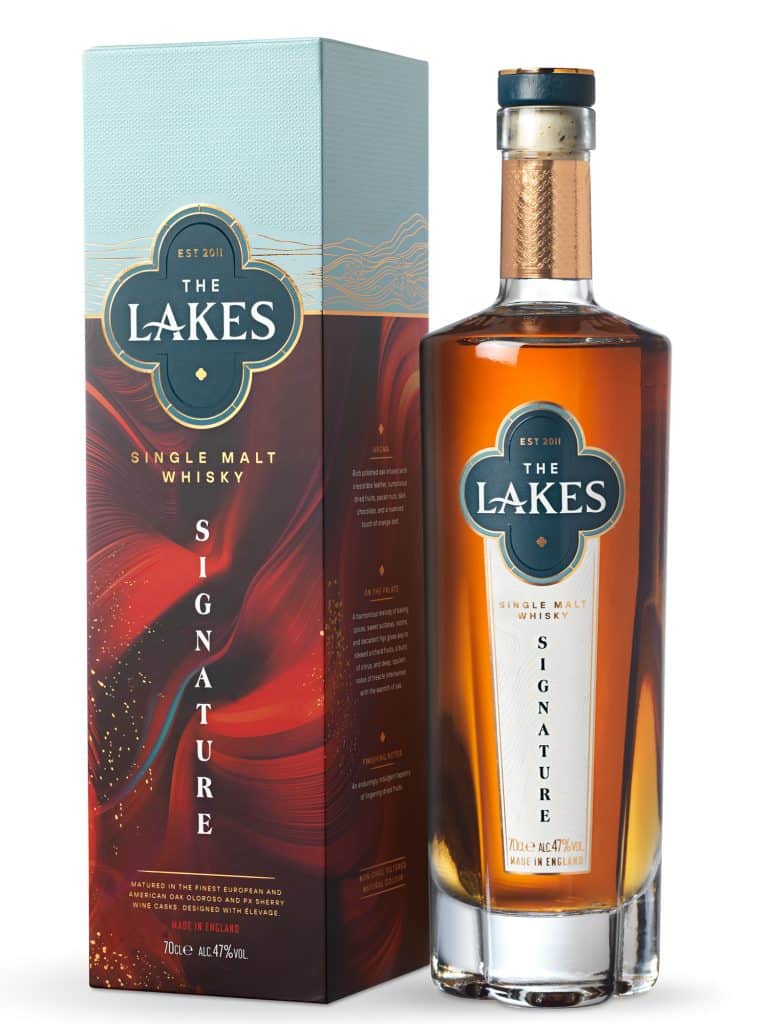
The Lakes Distillery introduces its first permanent single malt whisky style, The Lakes Signature. The culmination of an extraordinary decade-long journey, it emerges from the renowned Whiskymaker’s Reserve series as a refined and enduring expression of sherry-led craftsmanship.

Elevating Whisky Through the Art of Élevage

Central to The Lakes Signature is the French philosophy of élevage, a progressive nurturing of spirit through a succession of specially chosen casks. This meticulous approach allows the whisky to evolve with nuance and maturity, unlocking a depth of flavour that’s both complex and harmonious. Learn more about the Art of Élevage.

Crafted in Excellence: Sherry Cask Maturation

This opulent single malt is matured in the finest European and American oak casks, seasoned with Oloroso and Pedro Ximénez (PX) sherry. These exceptional casks impart rich, indulgent character and imbue the whisky with multi-dimensional flavour profiles.

Tasting Notes: An Intricate Tapestry of Flavours

Aroma

The first encounter reveals rich polished oak and soft leather, seamlessly layered with sumptuous dried fruits, think raisins and sultanas, elevated by pecan nuts, dark chocolate, and a delicate orange zest.

Palate

On the palate, The Lakes Signature unfolds in luxurious waves of sweet sultanas, raisins, and figs, blending into stewed orchard fruits. These sweet notes are complemented by bright citrus, while dark treacle and warm baking spices, vanilla, cinnamon, and nutmeg, provide a comforting richness.

Finish

The finish is long, elegant, and lingering, with the enduring warmth of nutmeg and dark treacle, leaving behind the lingering sweetness of raisin and fig.

Whisky Details at a Glance

  • ABV: 47%
  • Filtration: Non-chill filtered
  • Colour: Natural

A Whisky Born of Obsession and Inspired by Nature

The Lakes Signature isn’t merely a spirit, it is the manifestation of a relentless pursuit for perfection. Each sip reflects the natural beauty of the Lake District, a region whose ever-changing landscapes echo the dynamic character of this whisky.

A Permanent Signature with Timeless Appeal

Where previous editions were momentary glimpses into the creative mind of The Whiskymaker, The Lakes Signature is a lasting declaration, a whisky designed to endure and evolve as a modern classic in the world of single malts.

Perfect For: The Sophisticated Whisky Lover

Whether you’re a seasoned collector or a curious newcomer, The Lakes Signature invites you into a world of elevated taste, craftsmanship, and discovery. Its rich and balanced profile makes it an ideal choice for moments of reflection, celebration, or gifting.

The Most Challenging Path, The Most Rewarding Journey

From sherry-seasoned oak to a sensory masterpiece, The Lakes Signature is a whisky like no other. Its layers unfold slowly, luxuriously, a testament to time, passion, and an unyielding commitment to flavour.


FAQs

1. What is élevage in whisky making?
Élevage refers to the art of nurturing a spirit over time through carefully selected cask changes to shape its flavour profile progressively.

2. Is The Lakes Signature a limited edition?
No, it is the first permanent single malt whisky style from The Lakes Distillery, following the limited Whiskymaker’s Reserve series.

3. What makes it sherry-led?
Its maturation in Oloroso and PX sherry casks imparts dominant sherry influences, giving it rich dried fruit, spice, and treacle notes.

4. What does non-chill filtered mean?
It means the whisky retains its natural oils and flavours, offering a fuller mouthfeel and richer taste.

5. Where can I buy The Lakes Signature?
You can purchase this right here at House Of Malt!

Posted on Leave a comment

Signatory Vintage Scotch: The Art of Independent Bottling

Signatory Vintage Scotch HQ, Pitlochry

Signatory Vintage Scotch is one of the most discerning independent bottlers of Scotch whisky in the world. With a commitment to quality and transparency, Signatory bottles whisky one cask at a time, allowing whisky enthusiasts to experience the distinct characteristics of each unique cask. If you’re searching for exclusive, single cask Scotch, Signatory Vintage is the brand to explore.

View the range of Signatory at House of Malt

What Makes Signatory Unique?

Unlike distilleries that produce large batches for blended whisky, Signatory focuses on individual casks, ensuring that no two bottlings are exactly the same. By sourcing all-natural malts from Scotland’s finest distilleries and selecting the most exceptional single casks, Signatory delivers “single, single, single malt” – single distillery, single distillation, single cask.

  • Single Distillery – Sourced from Scotland’s most renowned distilleries.
  • Single Distillation – Bottled from carefully chosen distillation runs.
  • Single Cask – Every bottle comes from a single cask, emphasising unique flavour and character.

Check out their ever more popular Speyside (M) Bottlings

The Signatory Bottling Process

Signatory Vintage follows a meticulous selection and bottling process that highlights the individuality of each whisky.

  1. Cask Selection – Only the finest casks are chosen from select distilleries.
  2. Aging & Maturation – Each cask is left to mature naturally, developing rich flavors.
  3. Bottling – Each whisky is bottled with key details such as date of distillation, bottling date, cask number, and bottle number for full transparency.

Why Choose Signatory Vintage?

  • Natural Whisky Experience – No added colouring or chill filtration, preserving whisky’s true character.
  • Transparency & Traceability – Every bottle carries detailed cask and distillation information.
  • Exclusivity – Small-batch, single-cask releases make every bottle unique.
  • Award-Winning Reputation – Highly respected in the whisky world for craftsmanship and quality.
  • Affordability – Some superb malts are available at a fraction of the cost!

Explore Signatory’s Distinctive Bottlings

Signatory Vintage offers a broad selection of Speyside, Islay, Highland, and Lowland single malts, each with its own distinctive profile. Whether you’re seeking a rich serried dram or a peaty Islay expression, there’s a Signatory bottling for every palate.

Visit the Signatory website for more information

For whisky collectors and enthusiasts, Signatory Vintage Scotch represents an opportunity to experience some of Scotland’s finest single cask whisky with unparalleled transparency and exclusivity. Every bottle tells a story of its own, offering a rare glimpse into the craftsmanship behind Scotland’s greatest distilleries.

Discover your perfect dram today by exploring the Signatory Vintage collection at House of Malt and experience the magic of single cask whisky.

Browse Signatory Bottlings Now

Posted on Leave a comment

A Guide to Blended Whisky

Blended whisky is the most popular type of whisky in the world, but despite accounting for more than 75% of the industry’s value, it’s an often misunderstood spirit. 

Irrespective of its ubiquitousness, blends still face somewhat of an image problem, with many drinkers mistakenly believing them to be less complex and generally lower quality than their single malt counterparts.

We’re here to dispel that myth and tell you everything you need to know about blended whisky, including what it is, what the different types are and how it differs from single malt.

What is blended whisky?

Simply put, a blended whisky is a combination of two or more barrel-aged whiskies. This is usually a mixture of malt and grain whiskies, brought together to achieve a certain flavour profile.

Blended scotch is the most biggest category of whisky globally, making up more than 90% of all bottles sold.

The history of blended whisky

While there was an increased desire for single malts around the turn of the millennium, it wasn’t always so in demand. 

Historically, single malt whisky was considered too harsh, with unrefined flavours. As a result, in the 1860s, a Scottish brewer called Andrew Usher began adding lighter grain whiskies to heavier malts. This produced a more approachable spirit that was smoother, sweeter and more balanced – thus becoming a commercial hit.

Blends went on to completely dominate the market for another 100 years, with almost all scotch whiskies being blends. This started to change in the 1960s, when Glenfiddich became the first distillery to release a consumer-friendly single malt, but by the start of the 1980s, there were still only 27 available across the market. 

How is it made?

Blended whisky is made by combining different whiskies together, and the job of combining them comes down to the master blender.

The master blender will use their nose and experience to bring together anything up to 50 single malt and single grain whiskies to create a unique expression.

After they’ve been blended, the new whisky will spend up to eight months in casks, in what is known as the ‘marriage’ period. It’s during this time that the flavours of each individual spirit will mix with the others. 

Age statements

When it comes to age statements, the number listed on the bottle is the age of the youngest whisky used.

This means that if a master blender takes an 18 year old malt and adds a little bit of 10 year old, the result is a 10 year old whisky. 

An example of this can be seen with the Chivas Regal 12, which is a blended scotch made up of whiskies that have been aged for a MINIMUM of 12 years, but will likely contain spirit that’s older (although the recipe is a closely guarded secret!). 

As a result, many blended whiskies don’t carry an age statement at all. This is because, if a master blender adds a small quantity of particularly young whisky to the mix, marketing the release as a 3, 5 or 8 year old blend may be off-putting to buyers. It also probably isn’t a fair reflection of what’s actually in the bottle.

Are there different types of blended whisky?

Blended Scotch Whisky

This is your archetypal blended whisky and what most likely springs to mind when discussing the topic. It involves mixing one or more malt whiskies with one or more grain whiskies. The whiskies must have been distilled and aged in Scotland for a minimum of three years in order to be called scotch whisky. 

Blended malt 

Blended malts, also occasionally called vatted malts, are made without the use of grain. They’re a combination of single malt whiskies from different distilleries. Examples include Monkey Shoulder, Compass Box Spice Tree and Big Peat.

Blended grain

Made exclusively with grain whiskies from two or more different distilleries. Though generally harder to come by, blended grain is praised for its lighter profile and creamier mouthfeel. Some popular expressions are Compass Box Hedonism and Nikka Coffey Grain. 

How does it differ to single malt?

The difference between a blended whisky and single malt is simple.

While a blend can be a combination of different types of whiskies from different distilleries, single malts come from just one distillery and are made using only malted barley.

Where things get a little more confusing is that some (if not most) single malts are actually a vatting of differently aged and finished whiskies – as opposed to just coming from one barrel. However, providing that these whiskies come from the same distillery, and use only malted barley, then they are still released as single malts. 

Are single malts better? 

There is a common misconception that single malt whiskies are higher quality, more flavourful and generally smoother – but this certainly isn’t the case.

Though the maturation process of single malts can often lead to a more robust and full-bodied spirit, the craft that goes into making a well-balanced blend means that consumers may find blended whiskies more approachable. 

They also generally offer good value for money, are great for trying new flavours and are also better suited to cocktails or mixing.


So if you’re looking for an introduction to blends, why not visit our website? We have an excellent range of blended whiskies from all over the world.